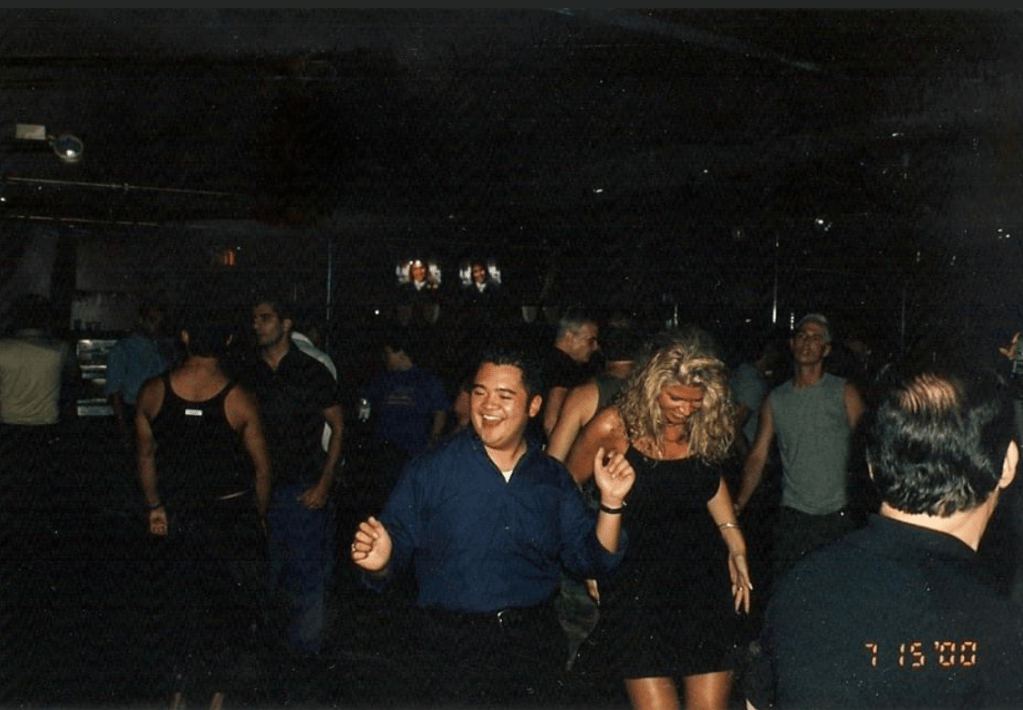
Stutz was the longest-owned and most prominent LGBTQ+ bar in Westchester County.
Located at 202 Westchester Avenue in White Plains, N.Y., Stutz stood its ground for 16 years. The bar was owned and operated by two different owners, the first of whom founded Stutz in 1984 and named it after the “Stutz,” a high-end luxury sports car. The name signified what Stutz provided the community: a lively, high-end club.
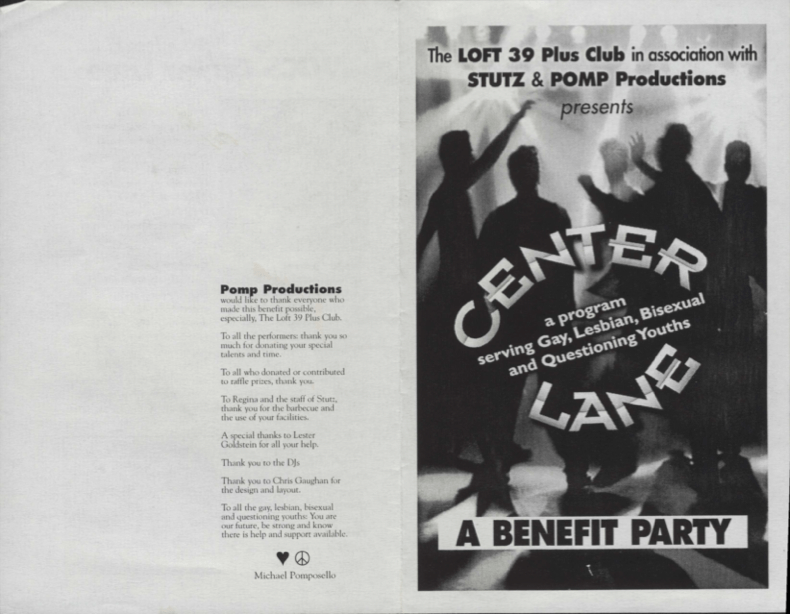
The second owner was Regina David, an active Stutz customer and mother of five, who owned the bar until its closing in 2001. Regina retained the elegance of Stutz while encouraging her workers to draw upon their creativity for shows and events.
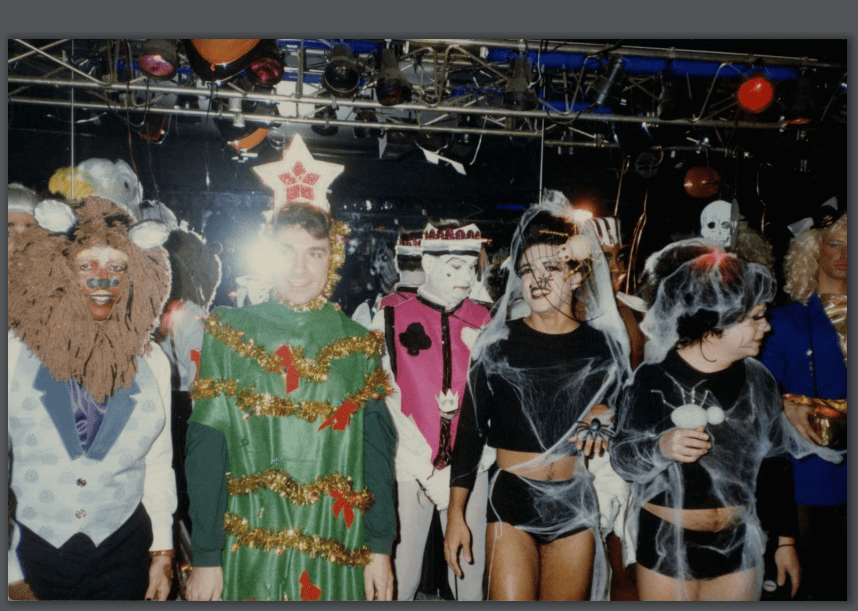
Stutz was a beacon in the community because it was distant from other bars and clubs in the area, providing customers with a safe place to be themselves. Compared with other LGBTQ+ bars at the time, Stutz was by far the largest, hosting up to 100 people at a time. It also hosted unique events, like drag shows, musical performances, and annual Halloween costume contests.
Despite its success, the City of White Plains seized the property through eminent domain in 2001, stating that it was necessary to widen the road for the Westchester Mall. The city remains the owner of the property to this day.
Today, Stutz is remembered by its customer base as “the best,” said Susan Pinchiaroli, creator of a documentary about the bar.
“It was the only gay bar. That’s where they went that was their house.”
Regina David, Stutz owner
Pinchiaroli’s film, Stutz Bar, tells the story of the most prominent LGBT nightclub in Westchester County and the united community it built as a result. Stutz Bar was filmed between October 2021 and January 2022 for Pinchiaroli’s thesis at New York University’s Tisch School of the Arts. It premiered at First Run Film Festival and Nyack International Film Festival, where it won Best Local Documentary.
I thought of Westchester as a place I didn’t want to be. I didn’t feel comfortable in this space to be who I wanted to be. I think this film was a nice way of reimagining what any place can be. There can be vibrant communities anywhere. Any suburb. I don’t think I understood it before I did this film. I don’t think I thought that deeply about where I was from.
Susan Pinchiaroli
Pinchiaroli was interviewed by Allee Manning of the Westchester LGBTQ+ History Project about the experience of making “Stutz” and her reflections on her own Westchester upbringing.
Allee Manning: How did you first come across Stutz?
Susan Pinchiaroli: I first came across Stutz the summer of 2021. I was entering my senior year at NYU’s film program and I wanted to make a documentary. I kept going through ideas of things I wanted to do and I was thinking of things that were interesting to me.
Then I started thinking about this gay bar that was a couple of streets down from where I lived. I remember it being open when I was a kid, and then it kind of closed. I thought that could be a cool idea, so I tried to find the Facebook page for the bar, B Lounge. I found some people that were tagged in photos and I’d reach out to them.
Basically, I think it was the first phone call. I talked to this man named Kevin Burke who works in hospitality in Westchester, and he’d been working at gay bars at a couple of different places in Westchester. He told me about B Lounge, and then he told me about Stutz, which is what B Lounge was sort of made in memory of. The way he described Stutz just fascinated me, and I wanted to learn more about it. The more I learned, the more I realized I needed to share this story.
In terms of funding, crew, research, I’d love to hear more about the process of making [the film].
Since it was my first, I would say, “real” film, in that I had a crew and a story I cared about, I took it one step at a time. They gave us $500 in grant money from the school, and then they gave you equipment and insurance for the equipment and were like, “Okay. Go make your film.”
So, I used the $500 for transportation and to feed my crew. I’d take a couple of my friends and I’d go to Westchester, shoot an interview, and then I’d shoot b-roll on the streets when I had free time.
It pretty much took up my entire fall semester. I spent, like, every single weekend going up there to work on it. I definitely spent all the grant money. But it was fueled by a passion to tell this story, so I was figuring it out as I went.
I’d love to know about your experience with your interview subjects. Were they surprised at your interest, or excited to talk about it, or?
When I called each of them on the phone for the first time, John, Michael, Regina, her kids, they were the ones who told me all the information about the bar. I was having these phone calls in August and September, and they were each so generous in sharing with me. They were so excited to talk about Stutz and the gay scene at the time. And when I met with each of them in person first and walked them through what the documentary might look like, they were all really on board with it. It was nice for me as a student, learning how to do this with people really willing to tell their story to me.
Tell me about the archival footage you had of Stutz and John walking around White Plains.
I got all the VHS footage after I shot [the interviews]. The hard part was that I learned so many things after I shot the interviews. But I could use the VHS footage to complement the interviews.
John had mentioned before the interviews that he had footage. I kind of forgot about it while I was filming. When I remembered, I asked him about it. So I pull up to some parking lot in Yonkers, and he’s there with his partner. He comes out with this giant bag of VHS tapes, I want to say there were 20 or so tapes. A lot didn’t work. But sometimes I hit the jackpot, like the Halloween VHS. That was amazing. Seeing these people who are in their fifties or sixties now, dressing up back in the ‘80s and ‘90s, being very much themselves. That was very cool to see.
It must have been interesting, seeing people in this footage who were probably about your age at the time.
That’s what I thought when I first started making it. But the more I learned about the bar, the more I realized how people working at the bar were maybe a bit older, having learned things about themselves a little later in life. That’s just what it’s like being gay, right? Things happen a little later in life sometimes.
Yeah, especially at that time, too. You don’t have as much of a roadmap, you probably didn’t know gay adults when you were younger.
Right, and that’s part of why Stutz was so important to them, too. And that’s what was interesting to me. There was nothing like it at the time, and it was so important to all of them. And yet now…
When I was doing it, there was no gay bar in Westchester. It’s kind of crazy that back then, even though it was a time where there was nowhere else to go—it was kind of sad to me that the community, when I was filming [the documentary], didn’t have that. Or I didn’t have it. I didn’t want to hang out in Westchester, being gay.
Yeah. It’s hard to not watch Stutz Bar and feel a little envious.
I know! I was envious the whole time. I was envious that they had this place they could go to, whether they were really young or older, but also that it was around for so long. It could have opened when you were twenty and you could still be going into your thirties.
What were you most surprised by as you dug into this story?
I was most surprised by Regina’s generosity to the community. She didn’t say it, but I got the sense she was the mother of the community in some ways. She really felt like she owed something to these people. And I don’t see that a lot of the time from people. It’s hard to come by people who open a business for other people. It surprised me how generous people could be with their time and money.
She was working a full-time job, too, while running it. It kind of blew my mind how she had this business on top of a day job. Of course they made money from it. But it’s not like you’re making so much money from your investment. It takes time and energy.
Can you tell me about showing the film to large groups of people and being recognized with an award for the work you did on it?
Stutz was a very personal, kind of internal journey for me. It was for a class, but it felt like something I wanted to do regardless. It took me like a year to finish it, to edit it, color it, do sound design. So it was really nice for me to see it on the big screen. It was an emotional thing for me to see it. And I was there with my parents, which was nice. It was emotional in a good way.
I think it was received well. I’ve heard some different responses to it. My mom has talked about how she thinks it’s about community, my dad thinks it’s cool how the bar was here in this area since it’s where I grew up—which is what I took from it, thinking of it as a local story— … and my aunt thinks it’s about motherhood. Different people have had different reactions to it.
Susan Pinchiaroli is a documentary filmmaker and editor based in Brooklyn, N.Y. She is originally from Valhalla, N.Y., a hamlet in Westchester County. Outside of filmmaking, you can find her playing dodgeball on Tuesdays or making beer with her dad. Her documentary “Stutz Bar” serves as the primary source of information for this page.
 The Westchester LGBTQ+ History Project
Leave a comment